
Federal Drug Crimes...
HOW A SAN DIEGO FEDERAL DRUG DEFENSE ATTORNEY CAN MAKE A DIFFERENCE Under federal law, drug trafficking is covered under Title 21 of the U.S. Code, specifically Sections 841, 952 and 960. Federal law also...

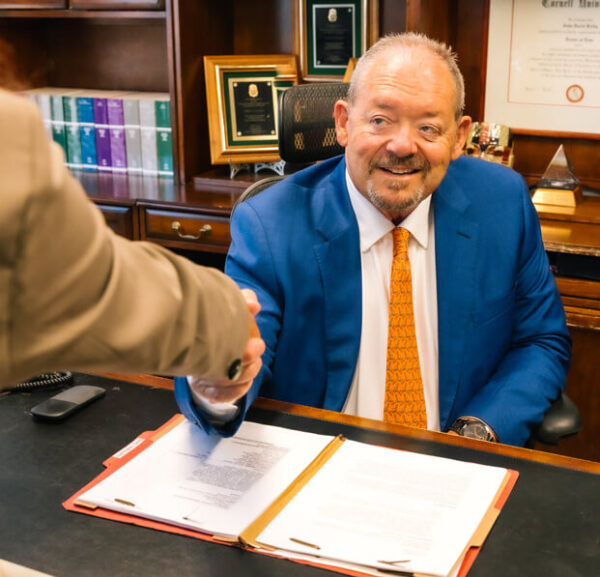
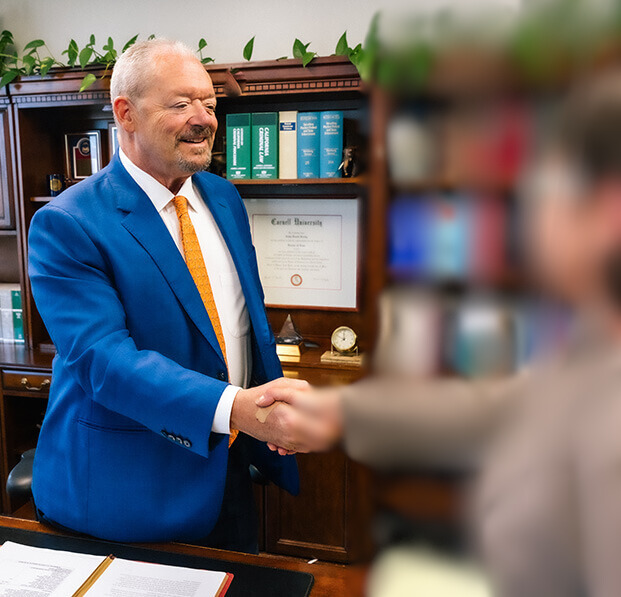
Attorney John D. Kirby graduated magna cum laude from the university of Southern California and cum laude from Cornell Law School.
He began his legal career at the prestigious Washington D.C. law firm of Covington & Burling and then spent more than a decade as a federal prosecutor at the United States Attorneys Office in the Southern District of California.
During his time at Covington, he represented various high-profile and multimillion-dollar cases with outstanding results. His incredible work ethic and instinct landed him a distinguished position with the United States Government.
As an Assistant United States Attorney he handled a variety of serious criminal investigations and prosecutions, and received numerous awards for his work. These unique experiences have made him an expert in federal criminal law, and given him a deep understanding of how the prosecution will build a case against you.
For over 25 years, John David Kirby has defended and protect the rights of his clients with unparalleled success.
At the Law Offices of John D. Kirby, our insight into the role of the federal criminal prosecutor means we know who our opponents are and we understand their tactics. We know how to get things done, even in the most complex cases involving federal white collar crimes and federal drug crimes. We will move quickly in order to protect your interests and your future. Federal criminal defense is an art, and we have proven ourselves to be artists.
Whether you are under investigation or you have been charged with a crime, you want to make certain that your interests and your future are protected. Seek representation from an experienced and trusted criminal defense attorney. Our law firm’s clients are personally represented by attorney John D. Kirby.
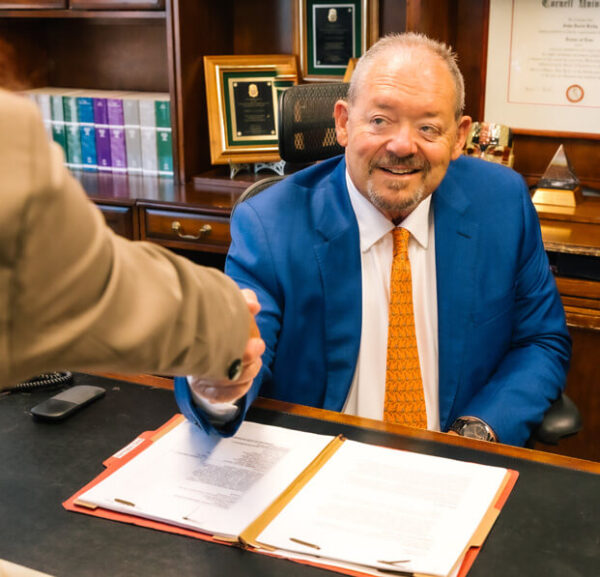










As one of San Diego’s most premier law firms, The Law Offices of John D. Kirby is qualified and experienced with handling all aspects of a client’s federal criminal defense. From the moment that you believe you’re a part of an investigation or have been charged with a crime, you must hire expert and competent legal counsel to represent you. We have the necessary experience, skills and resources to get you the best possible results for your particular case, and we are always ready to fight for your rights and protect your freedoms We are locally respected and have a proven track record of success. John Kirby served as a federal prosecutor for 10 years before starting this professional law firm. Being the former federal criminal prosecutor means we know who our opponents are, and we understand their tactics.
The government agents that conduct investigations such as the FBI, ATF and DEA have trained individuals that build federal cases with ease. They have nothing but time, money, resources and manpower to investigate a case for years down to the last detail. This makes it important to hire an attorney that has the experience to stand up to them and know how to manage strategies for winning that will work in your best advantage in your case. That’s exactly what we can do for you.

As a former Federal Prosecutor with the U.S. Attorney’s Office, John’s strategies are built on insider knowledge and hard line negotiation.

His comprehensive criminal defense practice in both national and international arenas have won him the respect and trust of judges and prosecutors.

John built his reputation by defending some of the nation’s highest profile public officials, corporations, and senior executives.
For over 25 years, John David Kirby has defended and protect the rights of his clients with unparalleled success.

HOW A SAN DIEGO FEDERAL DRUG DEFENSE ATTORNEY CAN MAKE A DIFFERENCE Under federal law, drug trafficking is covered under Title 21 of the U.S. Code, specifically Sections 841, 952 and 960. Federal law also...

When You Need a San Diego Money Laundering and Embezzlement Charges Defense Attorney Money laundering and embezzlement are white collar crimes that are often complex and can be difficult or confusing to trace. This area...
If you’ve been arrested or charged with criminal activity, there’s a specific process that takes place between the time moment you are arrested and the first day of your criminal trial. Each step of the...

If you’re facing criminal charges, there’s no question that it’s one of the most stressful times of your life. Not only are you concerned about the outcome and your future, you’re also suddenly thrown into...

Arrest, booking, and bail are the first three stages of the criminal court process. We hope they’ll never happen to us or a loved one, but when they do you’ll want John Kirby Law, a...
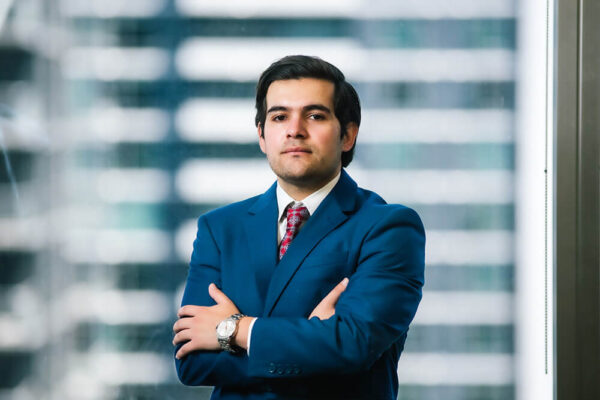
You may have heard the terms “criminal appeals attorney” and “litigation lawyer” before, but perhaps you’re unsure what each one means. As an experienced criminal appeal lawyer, John Kirby sheds light on both of these...
Allegations of securities fraud, hedge fund fraud, investment fraud and insider trading can be particularly challenging because they may involve two prosecuting entities. Of course, state and federal criminal prosecutors may investigate and pursue criminal...

San Diego White Collar Crime Lawyer White collar crime has become more prominent on the national stage in recent years, with corporate scandals and ongoing investigations costing taxpayers millions of dollars. Prosecutors are pursuing...

Crimes and Asset Forfeiture Whether an asset was allegedly used as a tool to launder money or it was allegedly purchased with money obtained through criminal activity, that asset may be forfeited. As part of...
SAN DIEGO TAX FRAUD ATTORNEY In all state and federal criminal defense cases, early intervention is recommended. In tax fraud cases specifically, early intervention can mean the avoidance of criminal charges altogether. At the California...
Federal and state fraud statutes cast a wide net, covering securities fraud, bank and mortgage fraud, as well as Medicare fraud and medical billing fraud (coding fraud). John Kirby has handled all of these types...
At the Law Offices of John D. Kirby, we understand both federal and state criminal law. One of the most significant difference between federal crime and state crimes is the investigation process. Whereas state charges...
“Being A Good Trial Lawyer Is Much More Than Knowing What Questions To Ask, It’s About Genuinely Caring For Your Client And Protecting Their Rights.”

The type of law that was violated will be the determinant of whether the crime is a federal or state offense. A federal crime occurs when someone violated a federal law/statute that was created by Congress while a state crime occurs when someone violates a state law alone. Sometimes violation of both laws can occur.
Federal crimes are handled within a federal court. The State of California has four district courts: one for Central, Eastern, Northern and Southern districts. Ultimately, not all attorneys are authorized to handle these types of cases before a federal court. However, John D Kirby was a federal prosecutor before opening this firm, so he is well versed in the process and representing individuals successfully.
Federal crimes carry higher penalties than state ones usually. Due to these severe penalties, it’s important to hire an experienced federal criminal defense lawyer as soon as possible.
The FBI is responsible for investigating and enforcing all U.S. Criminal laws. The Drug Enforcement Agency must enforce all controlled substance laws and regulations. The Bureau of Alcohol, Tobacco, Firearms and Explosives are responsible for investigating illegal use and trafficking of firearms and any illegal use or storage of explosions.
The investigative process with federal crimes is greatly different than state crimes. Federal investigations are conducted by skilled agencies that gather information over time in order to bring forth charges. They have more resources and funding to investigate crimes, which leads to bigger arrests. Federal criminal investigations are done when they receive credible information about criminal activity and/or a sting operation is done to catch those committing these offenses. This makes it important to hire an experienced federal criminal defense lawyer to represent you during these serious times.

Call to Schedule a Free Consultation With a Federal Criminal Charges Lawyer Today
If you’ve been charged with a federal crime, call to schedule a free consultation with an experienced federal criminal defense attorney today. Our legal team at The Law Offices of John D. Kirby has over forty years of combined legal experience and can build the best possible defense for your federal criminal case. We serve San Diego, La Jolla, Coronado, Carlsbad, La Mesa, Del Mar, San Marcos, Solana Beach and surrounding San Diego County communities.
This review is from a person who hired this attorney. Hired attorney Adriana Buelna for John D. Kirby.
If you’ve been arrested for or charged with a federal offense, Law Offices of John D. Kirby, A.P.C. can help you by:
Having a lawyer who can handle federal criminal defense can make the difference between successfully fighting your charges and spending years in jail. Call today to speak to Law Offices of John D. Kirby, A.P.C. about your case.
See more tips on finding the right attorney at California Attorney Search.com

Attorney John D. Kirby was a former Federal Prosecutor for 10 Years before establishing his own criminal defense practice in San Diego, California.


© 2025 Law Offices of John D. Kirby, A.P.C. Website Terms of Use I Website Privacy Policy I Facebook Privacy Policy
Last reviewed: 2026-07-23 by John D. Kirby, Former U.S. Federal Prosecutor